
Original: $11.28
-70%$11.28
$3.38The Story
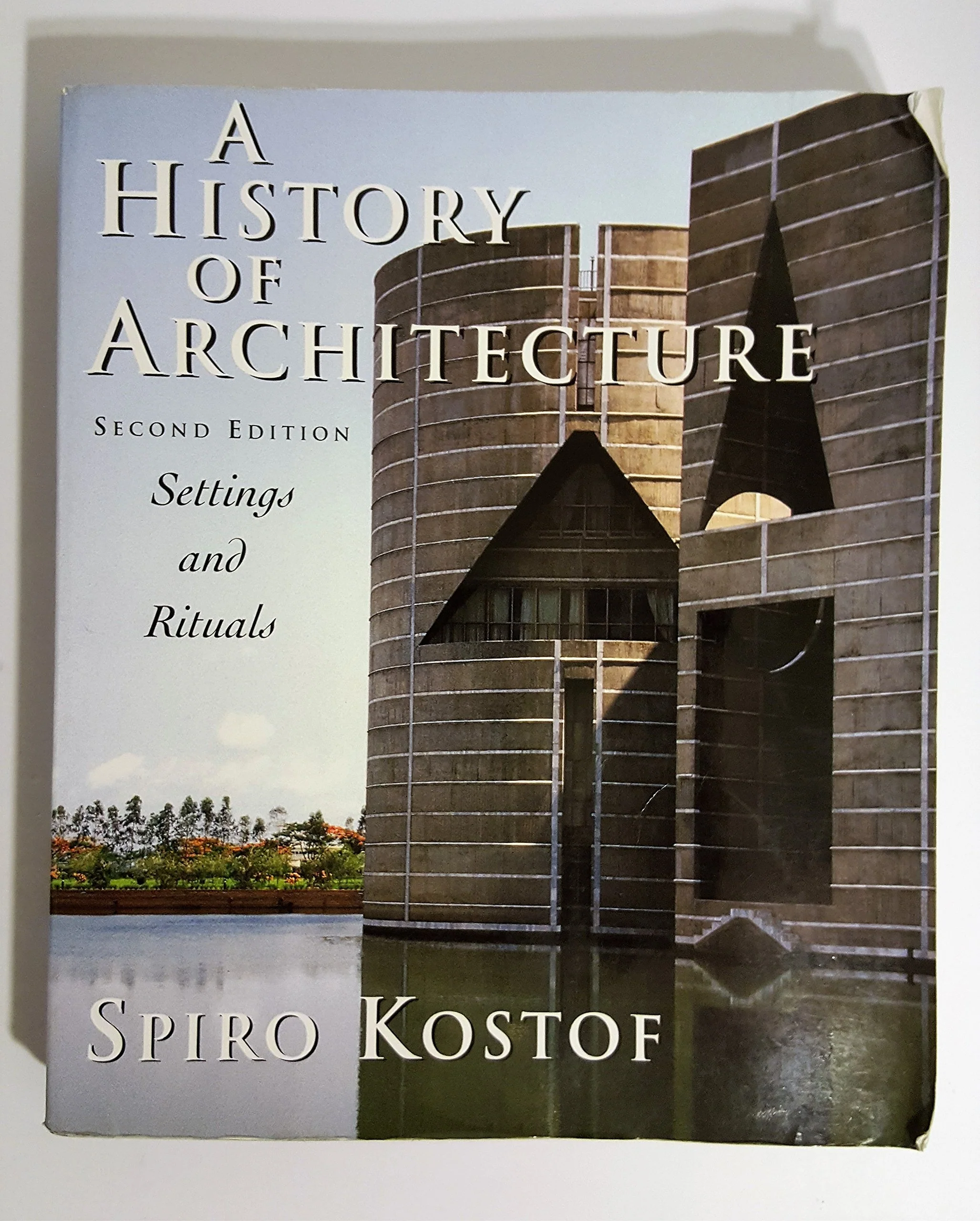
When the late Spiro Kostofs A History of Architecture appeared in 1985, it was universally hailed as a masterpieceone of the finest books on architecture ever written. Now, updated and expanded, this classic reference continues to bring to readers the full array of civilizations architectural achievements.Insightful, engagingly written and graced with close to a thousand superb illustrations, the Second Edition of this extraordinary volume offers a sweeping narrative that examines architecture as it reflects the social, economic, and technological aspects of human history. The scope of the book is astonishing. Kostof examines a surprisingly wide variety of manmade structures: prehistoric huts and the TVA, the pyramids of Giza and the Rome railway station, the ziggurat and the department store. Kostof considered every building worthy of attention, every structure a potential source of insight, whether it be prehistoric hunting camps at Terra Amata, or the caves at Lascaux with their magnificent paintings, or a twentystory hotel on the Las Vegas Strip.
Description
When the late Spiro Kostofs A History of Architecture appeared in 1985, it was universally hailed as a masterpieceone of the finest books on architecture ever written. Now, updated and expanded, this classic reference continues to bring to readers the full array of civilizations architectural achievements.Insightful, engagingly written and graced with close to a thousand superb illustrations, the Second Edition of this extraordinary volume offers a sweeping narrative that examines architecture as it reflects the social, economic, and technological aspects of human history. The scope of the book is astonishing. Kostof examines a surprisingly wide variety of manmade structures: prehistoric huts and the TVA, the pyramids of Giza and the Rome railway station, the ziggurat and the department store. Kostof considered every building worthy of attention, every structure a potential source of insight, whether it be prehistoric hunting camps at Terra Amata, or the caves at Lascaux with their magnificent paintings, or a twentystory hotel on the Las Vegas Strip.